

ACCRA — The rice farmers of Weta have taken their fight for survival to the doorstep of government. Led by their Member of Parliament, Hon. Eric Edem Agbana, a delegation of chiefs, rice farmers and young people from the Ketu North Municipality has petitioned the Ministry of Food and Agriculture to rescue the struggling Weta Irrigation Scheme.
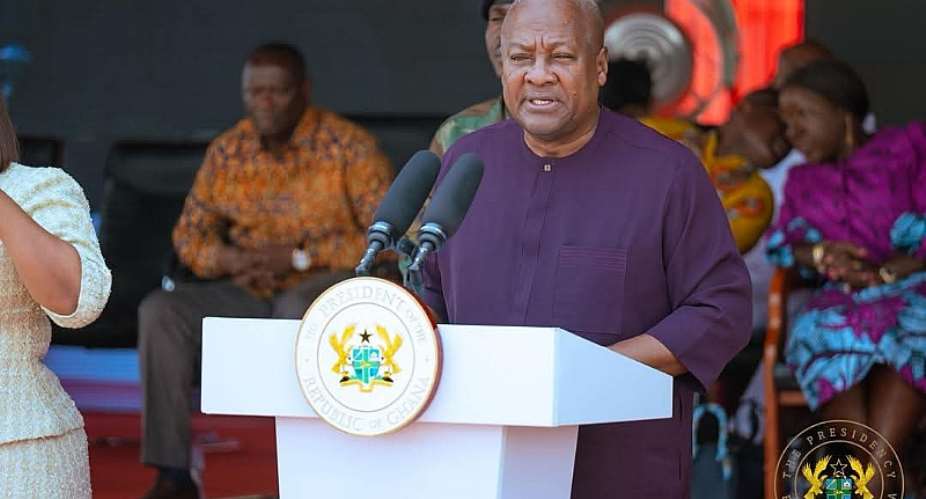
The petition was presented at Parliament on Monday, October 12, 2026, and received on behalf of the Minister by Deputy Minister of Food and Agriculture John Dumelo. He assured the delegation that the government is committed to rehabilitating the scheme and supporting the farmers to bring it back to life.
The farmers' message was urgent: floods have destroyed nearly all the rice fields on the scheme, wiping out their crops and investments, and they need help now.
Why Weta matters
The Weta Irrigation Scheme is no ordinary farm project. Established in 1977 and located about a kilometre from the Accra–Aflao highway, it is one of Ghana's largest and most important irrigation schemes.
According to the Ghana Irrigation Development Authority (GIDA):
- it produces an average of about 4,400 tonnes of rice a year over two cropping seasons
- it covers roughly 550 hectares of cultivated land
- it supports more than 1,200 rice farmers in over 23 communities, including Afife, Avalavi, Klenormadi and the Weta enclave
- more than 10,000 people depend on it indirectly
At a time when Ghana spends heavily on imported rice, a fully working Weta scheme could help put more local rice on Ghanaian tables.
Years of neglect, then floods
The farmers' troubles did not begin this year. Broken canals, failing water pumps and ageing infrastructure have weakened the scheme over many years, putting around 1,000 hectares of arable land at risk.
Then came the floods. Earlier this year, flooding submerged about 97% of the scheme's rice farms, and the farmers say almost all their fields have now been destroyed. Families who borrowed money to buy seed, fertiliser and labour have been left with nothing to harvest.
Agbana has also warned of a wider danger. Last November, he said more than 22 communities along the irrigation stretch could face severe flooding if the dam's control gates fail and repairs are not carried out urgently.
What the delegation asked for
In their petition, the chiefs, farmers and youth called on the government to:
- intervene immediately to restore the irrigation infrastructure
- reclaim farmlands damaged by years of operational problems and the floods
- support affected farmers so they can recover and replant
- increase investment in the scheme to make it sustainable
Agbana described the scheme as a critical national asset that could boost rice production, create jobs and strengthen Ghana's food security. He said the scale of the damage demands an urgent response and pledged to keep pressing until the people of Weta see real progress.
Promises made before
The farmers have heard assurances before:
- June 2023: GIDA's then Chief Executive said the World Bank was ready to support the scheme's rehabilitation.
- February 2025: Food and Agriculture Minister Eric Opoku visited Weta and pledged emergency support for farmers and full rehabilitation of the scheme with development partners.
- November 2025: Agbana said support had been slow despite those assurances, and urged that the World Bank-backed rehabilitation be fast-tracked.
This is why the farmers are now asking for concrete action, not just promises.
What happens next
Deputy Minister Dumelo told the delegation that their concerns would be addressed and that steps would be taken to meet the immediate needs created by the floods. No timeline or relief package has been announced yet.
For the farmers of Weta, the questions are simple: when will relief arrive, when will repairs begin, and will they be able to plant in the next season? The answers will decide whether one of Ghana's most important rice schemes recovers, or slips further into decline.







Comments (0)
No comments yet.
Only registered users can comment.
Sign in or create a free account to join the discussion.