
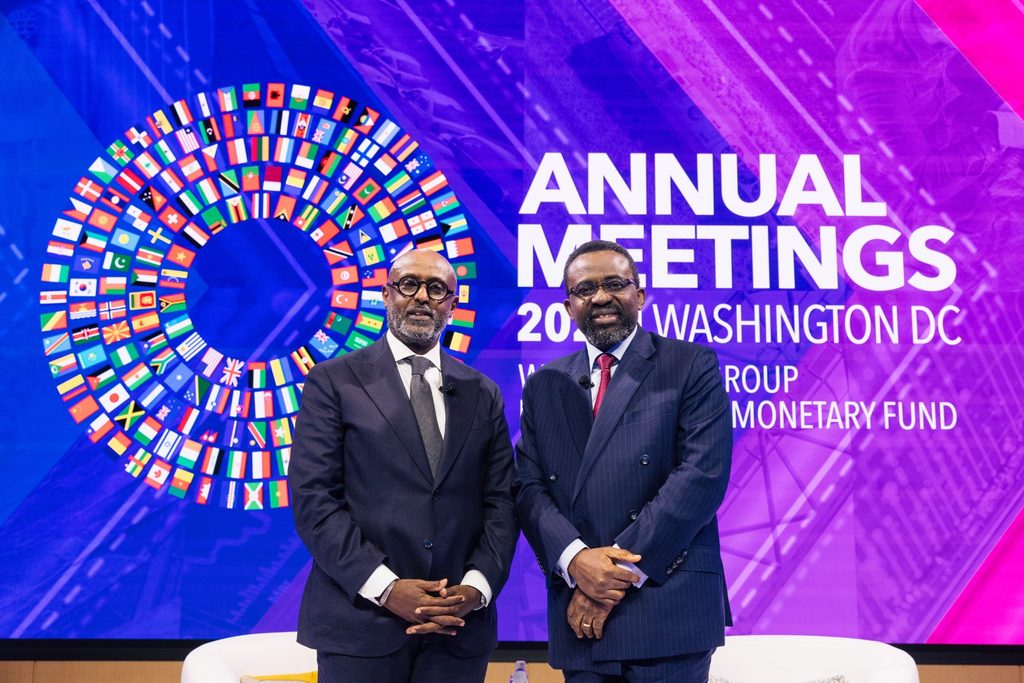
BANGKOK — Sending money from Accra to Kigali or Lagos could soon be faster and cheaper. The Bank of Ghana (BoG) is piloting new digital payment links with Rwanda and Nigeria, testing ways to move money directly between African countries without routing it through banks overseas.
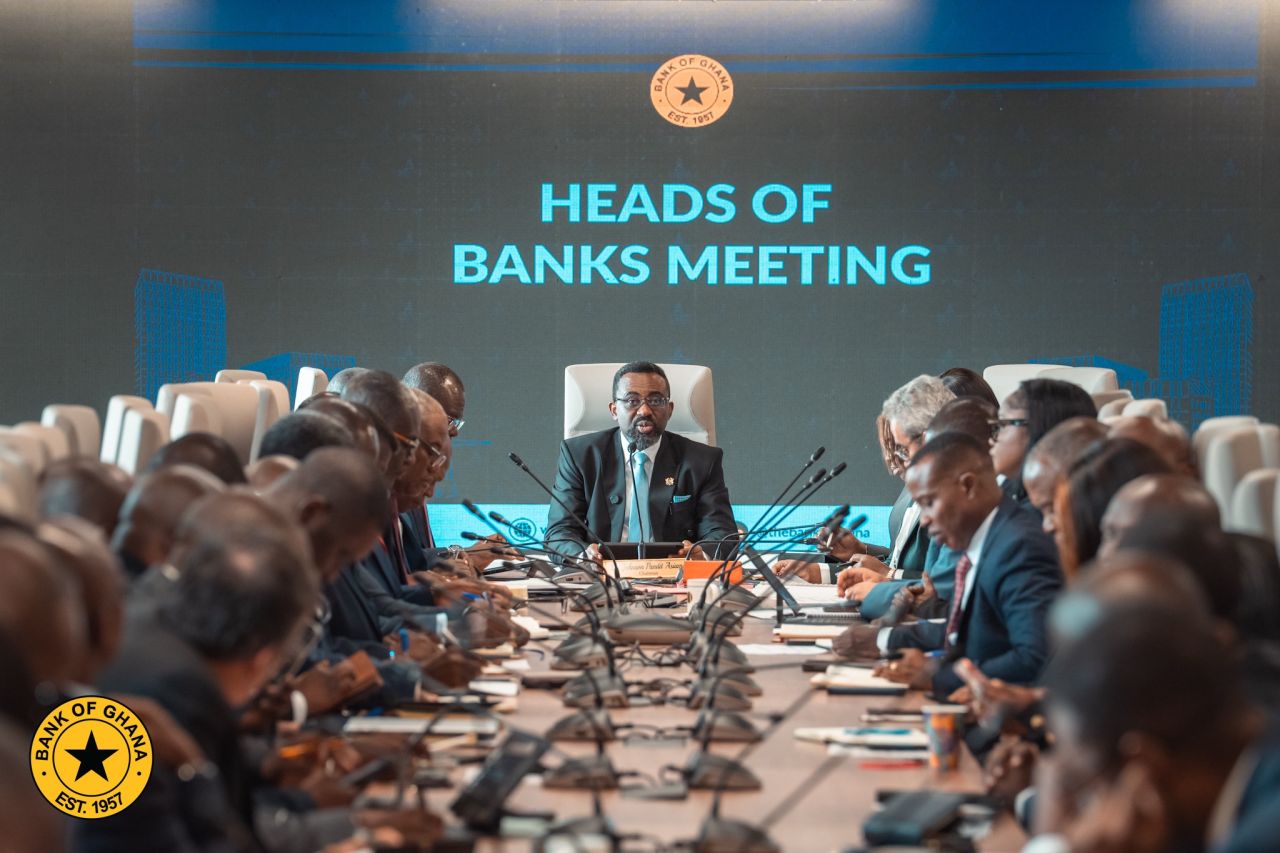
BoG Governor Dr Johnson Pandit Asiama outlined the work on Tuesday, October 13, at a high-level event on digital payments on the sidelines of the 2026 IMF-World Bank Annual Meetings in Bangkok, Thailand.
The central bank is testing cross-border payments on the Ghana–Rwanda and Ghana–Nigeria corridors using four different channels: central bank digital currencies (CBDCs), stablecoins, bank accounts and mobile wallets. It has also extended the Pan-African Payment and Settlement System (PAPSS) to mobile wallets on the Ghana–Nigeria route.
Why it matters
Today, many payments between African countries still pass through correspondent banks outside the continent. According to the Governor, that pushes transaction costs above 8%, far higher than the 3% target.
For traders, small businesses and families sending money across borders, that gap is real money lost on every transfer. Direct links between African payment systems could cut those costs and speed up settlement, supporting trade under the African Continental Free Trade Area (AfCFTA).
Dr Asiama said the aim is to turn the pilots into live services by building on existing payment infrastructure rather than creating parallel systems.
Four priorities for Africa's digital finance
The Governor set out four priorities for central banks: more efficient cross-border payments, healthier use of financial services, stronger consumer trust and closer cooperation between regulators.
Beyond payments. Digital platforms should do more to support savings, credit, insurance and investment, he said. BoG is bringing digital lenders under supervision through its Digital Credit Service Provider framework and building tools to track borrowers who take loans from several lenders, to prevent over-indebtedness. Its open banking initiative is also moving towards a pilot.
Fighting fraud. Reported fraud cases in Ghana rose by 48% in 2025, although the total value at risk stayed broadly the same. BoG is responding with consumer education, payee confirmation checks and tighter controls on SIM replacement.
Working with regulators. The Governor pointed to Ghana's Licence Passporting Framework with the National Bank of Rwanda as a model for closer regulatory cooperation. BoG is now engaging more than ten countries to join the initiative.
Building on earlier plans
The pilots build on Ghana's wider push for seamless payments across Africa. In May 2026, Vice President Professor Naana Jane Opoku-Agyemang announced that Ghana would work with Rwanda, Zambia and other partners on a continental digital trade corridor, focused on mobile money interoperability, shared digital ID checks for cross-border customer verification, and harmonised electronic invoicing. The Ghana Interbank Payment and Settlement Systems (GhIPSS) is also moving the country's payment systems to the ISO 20022 global messaging standard to ease links with other markets.
What happens next
The big test is whether the Rwanda and Nigeria pilots become everyday services that Ghanaians can use. No launch date has been announced. If they succeed, sending money across West and East Africa could become as simple as a local mobile money transfer.





Comments (0)
No comments yet.
Only registered users can comment.
Sign in or create a free account to join the discussion.