


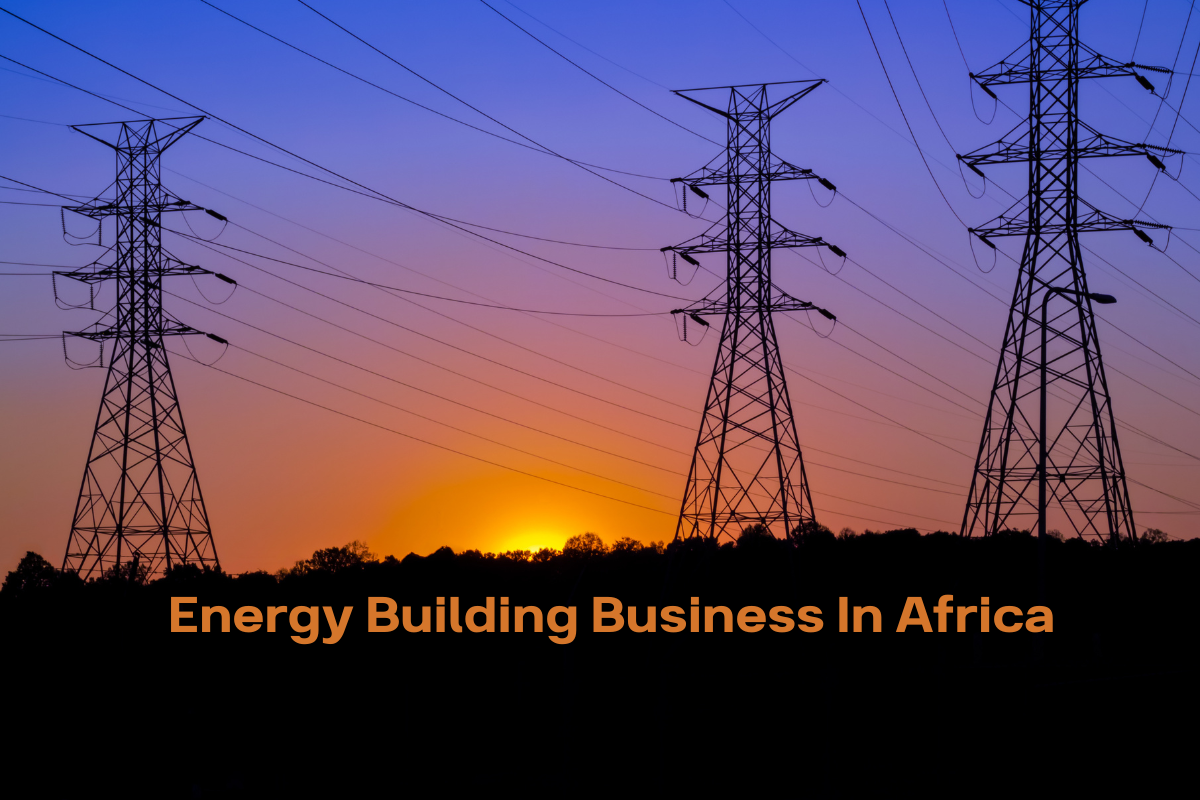
Accra, Ghana — Africa’s ambitious drive to expand electricity access has reached a major milestone, with more than 50 million people gaining access to power across 40 countries under the Mission 300 initiative.
The achievement, announced by the African Development Bank Group (AfDB) and the World Bank Group, marks significant progress toward the initiative’s goal of connecting 300 million Africans to electricity by 2030.
Beyond transforming lives, the milestone is opening up unprecedented opportunities for businesses, investors, entrepreneurs, and technology innovators across the continent.
What Is Mission 300
Mission 300 was launched in 2024 as a joint effort by the African Development Bank, the World Bank, governments, development partners, and private sector stakeholders to accelerate access to electricity across Africa.
The initiative aims to address one of Africa’s biggest development challenges by connecting 300 million people to reliable electricity within the decade.
According to project leaders, the programme is already delivering results at twice the previous pace of electrification, making it one of the continent’s most ambitious infrastructure and economic transformation initiatives.
Tanzania, Ethiopia and Nigeria Lead Progress
Several countries have recorded remarkable gains under the programme.
In Tanzania, an additional 7.5 million people have gained access to electricity, representing a five-fold increase in the country's previous electrification rate.
Ethiopia has connected 4.6 million people, supported by reforms that have improved infrastructure and made electricity connections more affordable.
Meanwhile, Nigeria has expanded access to more than 4.5 million people, largely through private sector-led initiatives and innovative energy solutions.
These successes demonstrate how strategic investment, policy reforms, and public-private partnerships can rapidly transform energy access.
Reliable Electricity Unlocks Economic Growth
For businesses, electricity is far more than a basic utility.
Reliable power lowers operating costs, boosts productivity, improves efficiency, and enables companies to expand operations.
Across Africa, many small and medium-sized enterprises (SMEs) have traditionally depended on expensive diesel generators due to unreliable power supply. The growing availability of electricity allows businesses to reduce fuel expenses, increase production hours, and invest in modern equipment.
Industries expected to benefit significantly include:
-
Manufacturing
-
Agriculture and food processing
-
Retail and wholesale trade
-
Healthcare
-
Technology and digital services
-
Logistics and transportation
Rising Demand for Technology and Consumer Electronics
As more households gain electricity, demand for electronic devices is expected to increase dramatically.
Manufacturers, distributors, and retailers of products such as smartphones, computers, televisions, refrigerators, solar-powered appliances, and household electronics stand to benefit from expanding consumer markets.
Industry analysts predict that growing electricity access will create millions of new customers for technology companies operating across Africa.
Digital Economy Set for Major Expansion
Stable electricity remains one of the most important foundations of Africa’s digital transformation.
Improved access to power enables businesses to maintain reliable internet connectivity, adopt e-commerce platforms, process digital payments, and reach customers through online channels.
For entrepreneurs, consistent electricity supports:
-
Online businesses
-
Digital marketing
-
Fintech services
-
Remote work
-
E-learning platforms
-
Software development
-
Content creation
Experts believe Mission 300 could significantly accelerate Africa’s participation in the global digital economy.
E-Mobility and Logistics Sector Poised for Growth
The expansion of electricity infrastructure is also expected to drive growth in Africa’s emerging electric mobility sector.
Electric motorcycles, e-bikes, battery-swapping networks, and charging stations are becoming increasingly popular as businesses seek cost-effective alternatives to fuel-powered transport.
Delivery companies, logistics operators, and e-commerce businesses are expected to benefit from lower transportation costs and improved operational efficiency.
Countries including Kenya, Nigeria, South Africa, and Ghana are already witnessing growing investment in e-mobility solutions.
Billions of Dollars Driving Energy Investment
Mission 300 is backed by substantial international financing.
According to programme partners:
-
The African Development Bank and World Bank have committed nearly $15 billion
-
Additional co-financing exceeds $4.5 billion
-
Other development partners have contributed more than $7 billion
Furthermore, over 30 African countries have launched National Energy Compacts designed to attract investment and create clear policy frameworks for energy development.
A Transformational Opportunity for Africa
AfDB President Sidi Ould Tah described electricity access as a critical driver of broader development outcomes, including food security, healthcare delivery, education, and economic empowerment.
World Bank Group President Ajay Banga echoed that view, noting that electricity creates opportunities far beyond simply powering homes.
As Mission 300 continues expanding across Africa, businesses that align their strategies with the continent’s energy transformation are expected to be among the biggest beneficiaries.
With 250 million additional connections targeted by 2030, Africa’s electricity revolution is rapidly becoming one of the continent’s most important economic growth stories.
Why This Matters
The success of Mission 300 signals more than improved access to power. It represents a new phase of economic opportunity where energy becomes a foundation for innovation, industrialisation, entrepreneurship, and inclusive growth.
For African businesses, investors, and entrepreneurs, the message is clear: the continent's next wave of growth may be powered by electricity.
Keywords: Mission 300 Africa, African electricity access, AfDB Mission 300, World Bank Africa energy, Africa business opportunities, electricity in Africa, African Development Bank, digital economy Africa, African entrepreneurs, energy investment Africa, power infrastructure Africa, Africa economic growth, renewable energy Africa, electricity access 2030, African markets.


Comments (0)
No comments yet.
Only registered users can comment.
Sign in or create a free account to join the discussion.