

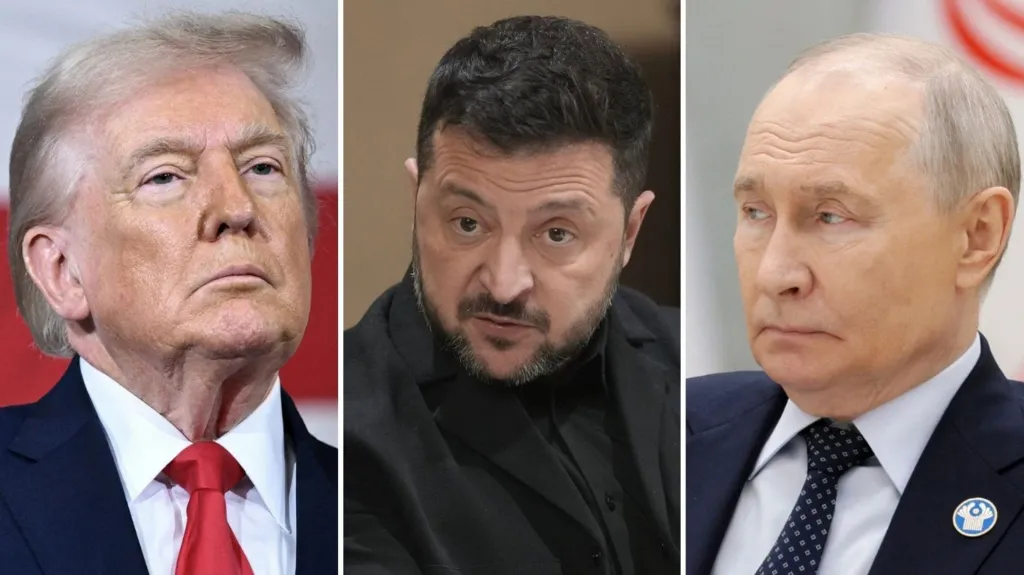





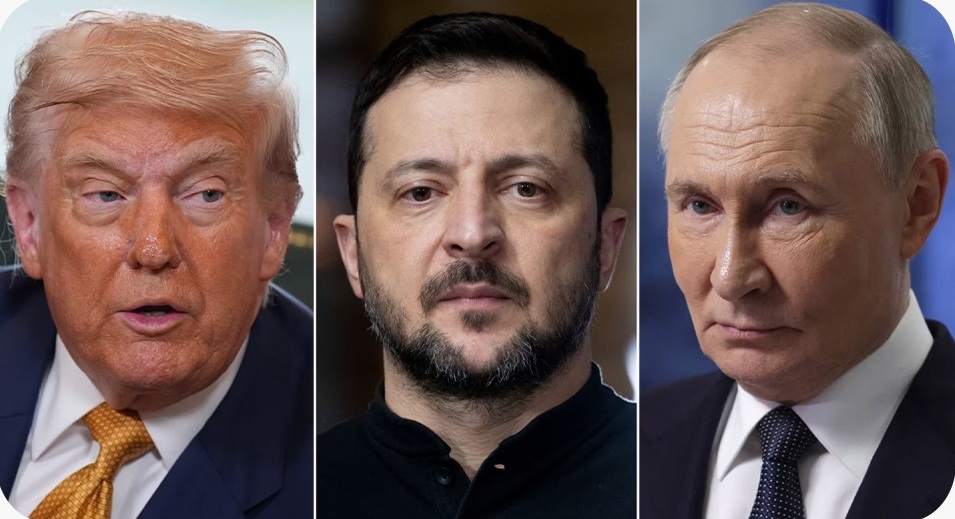
WASHINGTON — US President Donald Trump has declared a halt to attacks on energy infrastructure in the war between Russia and Ukraine. Hours later, the guns had not fallen silent: Kyiv reported fresh Russian strikes on its power facilities, and Moscow had said nothing at all.
In a post on Truth Social on Sunday, October 11, Trump wrote: “Effective immediately, there is an ENERGY CEASEFIRE in the War between Russia and Ukraine.” He said both sides had agreed and warned them not to break it, but offered no details on terms, monitoring or how long the truce would last.
Surprise in Kyiv, silence in Moscow
The announcement appeared to catch Ukraine off guard. President Volodymyr Zelensky told Axios the ceasefire was news to him, though he said Ukraine would agree if Russia did. In a later statement, he said: “Ukraine supports the ceasefire, and it is important that Russia support it as well.”
He also said Russia kept attacking Ukraine's energy system after Trump's post, naming a power plant in Kyiv and energy facilities in the Kharkiv region.
The Kremlin has not confirmed any agreement. That echoes September, when Trump made a similar announcement that Moscow never publicly backed and attacks carried on.
European leaders quickly lined up behind the idea. French President Emmanuel Macron backed what he called a real energy ceasefire, and European Commission President Ursula von der Leyen offered Zelensky her full support.
The diesel deal behind the push
The ceasefire call cannot be separated from oil. On October 9, two days before the announcement, Trump struck a deal with Russian President Vladimir Putin for Russia to supply diesel to the United States and the world market, temporarily easing sanctions on Russian fuel.
For that deal to work, Russian refineries need to keep running. Ukraine has been hitting them with long-range drones, arguing that cutting Russia's oil income starves Moscow's war machine. Trump has repeatedly pressed Kyiv to stop those strikes and has blamed Ukraine for worsening a global diesel shortage. On Sunday he went further, suggesting Ukraine should get a new leader who can make a deal.
The diesel deal has drawn fire on several fronts. Zelensky described it as a gift to Putin. European officials have refused to back it, and some members of Trump's own Republican Party have also distanced themselves from it.
Fuel prices and the midterms
At home, the stakes for Trump are political. The war with Iran has pushed global fuel prices higher, with diesel hit especially hard, and American voters are feeling it at the pump and in wider inflation.
With the midterm elections approaching, the Russian diesel deal and the energy ceasefire are the president's latest attempts to bring prices down. Critics argue the cost is easing pressure on Moscow at a critical point in the war.
Why it matters for Ghana
The fight over Russian refineries is not a distant affair for Ghanaians. Ghana relies heavily on imported refined fuel, so swings in global diesel prices tend to feed through to local pump prices, transport fares and the cost of goods. A real halt to energy strikes, and more Russian diesel on the world market, could ease that pressure. A ceasefire that exists only on paper would not.
What to watch
The key question now is whether Moscow signs on. Without a clear statement from the Kremlin, and with strikes reported after Trump's post, the energy ceasefire remains an announcement rather than an agreement both sides are honouring.
GhanaNews24.com will continue to follow this story.
Sources
- AFP via France 24: Trump's 'energy ceasefire' sparks confusion as Russia strikes Ukraine
- France 24: New Russian strikes follow Trump's announcement
- CNN: Trump claims Ukraine and Russia have agreed to energy ceasefire
- The Hill: Trump claims energy ceasefire reached
- Fox News: Trump announces immediate energy ceasefire
- The Epoch Times: Trump: Russia and Ukraine agree to 'energy ceasefire'








Comments (0)
No comments yet.
Only registered users can comment.
Sign in or create a free account to join the discussion.